Losing a tooth is stressful enough before you have to decide how you’re going to replace it. As you weigh your options, you’ll learn about dental implants and bridges. Choosing correctly between these two popular options depends on your specific situation.
Choosing between a dental implant and a bridge comes down to:
- The condition of your neighbouring teeth
- Jawbone health
- Preferred treatment timeline
- Budget
In combination, these factors can help point you toward your best option.
The Condition of Your Neighbouring Teeth
The biggest factor in choosing a tooth replacement solution is what's happening next to the gap. A dental implant stands on its own, without support from adjacent teeth. Implants are ideal when the support structure and adjacent teeth are healthy. A bridge, by contrast, uses dental crowns on adjacent teeth for support.
A Strong Jawbone
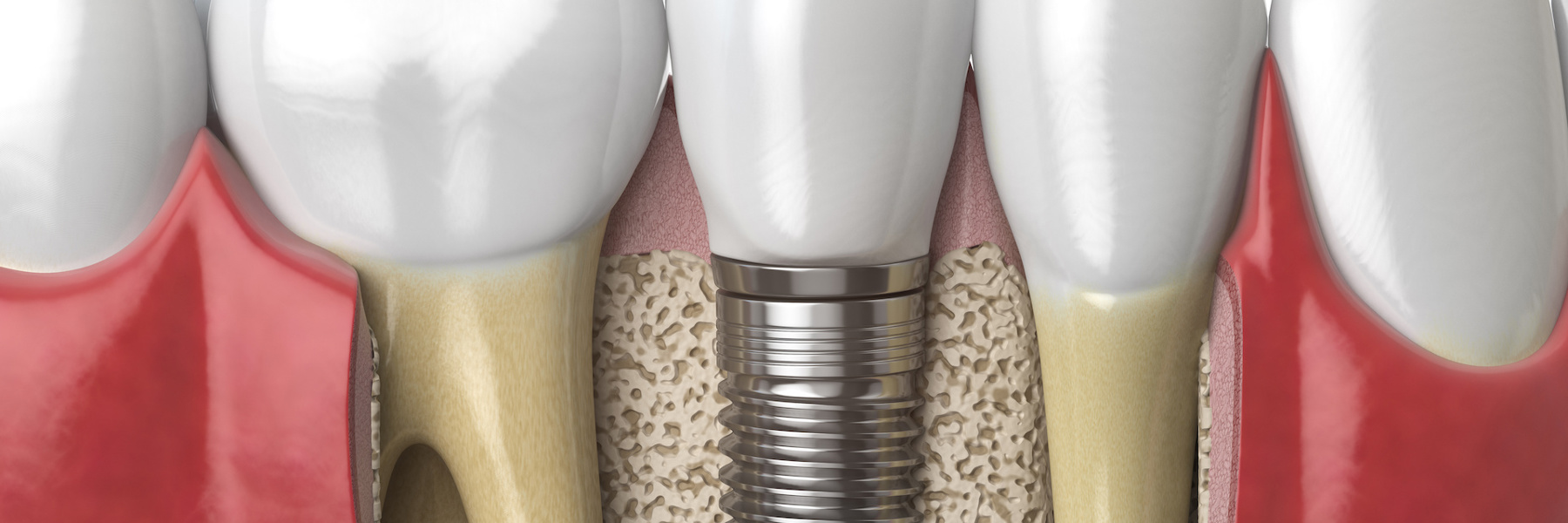
Implants work by fusing directly with the jawbone through osseointegration. This typically takes up to six months and requires sufficient bone density to succeed. If a tooth has been missing for a long time, the bone in that area may have shrunk and may require a bone graft for successful implant placement. By requiring no bone integration, a bridge mitigates this issue entirely.
How Quickly Do You Need a Result?
Timeline also matters. A traditional bridge can be placed within a few weeks, while an implant requires a longer healing period. By the time a final restoration is attached, the process requires up to eight months. The “right” decision depends on whether you're prioritizing speed or a longer-term investment.
Health Factors That Affect Healing
Certain conditions and habits influence which option makes more sense. Smoking, vaping, and poorly controlled diabetes can reduce blood flow and increase the risk of complications after implant surgery. Many patients in this situation can still receive implants with additional preparation, but a bridge may provide more predictability when healing is a concern.
Weigh Cost
Implants require a larger upfront investment than bridges. In return, they offer reliability and decades of function with proper care. Bridges usually cost less initially and tend to be more covered by insurance. However, they require adjustment or eventual replacement sooner than an implant will.
The best way to know which option truly fits your bite, bone health, and goals is a full evaluation.
Tooth Replacement in East Hills, NSW
If you're in East Hills and weighing your replacement options following tooth loss, contact Dr Thaer Skaf and the ICS Dental Studio team to arrange an evaluation.